

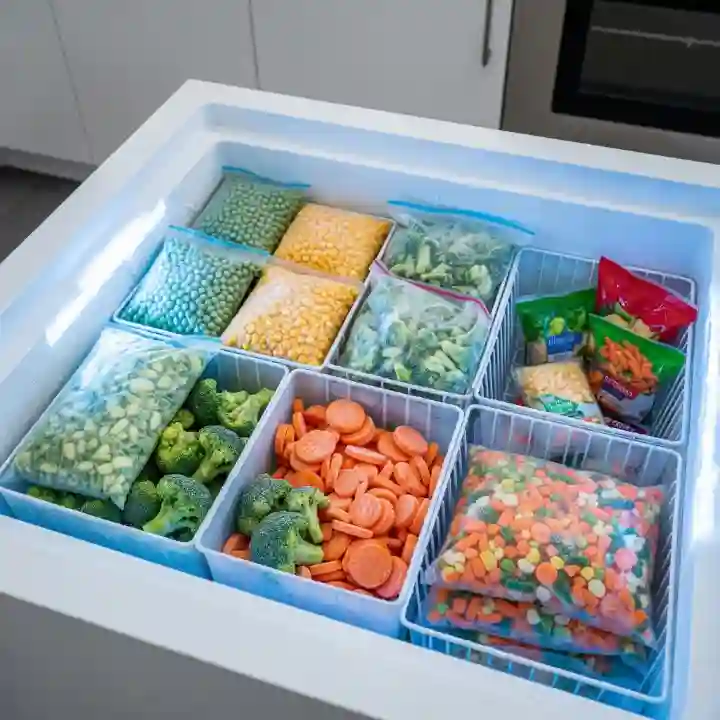
It’s a brisk September morning and your inbox flashes with FDA alerts a massive frozen vegetables recall has hit the headlines. If you’re running procurement, supply chain, or food retail, these bulletins mean more than consumer warnings. The latest recall of Endico frozen peas & carrots and mixed vegetables due to detected Listeria contamination isn’t just a case for health authorities; it’s a wake-up call for business resilience, reputation management, and risk forecasting. Here’s what the numbers, science, and real company responses reveal about staying strong during a recall crisis.
Section 1: What Happened; Breaking Down the Frozen Vegetables Recall of 2025
On September 4, the FDA and Endico Potatoes Inc. initiated a recall for 2.5-pound bags of Endico brand peas & carrots and mixed vegetables. The trigger? Routine testing by Pennsylvania authorities uncovered Listeria monocytogenes, a pathogen with potentially deadly effects on vulnerable populations.
Details at a Glance
-
Recalled Products: 2.5 lb clear bags of Endico frozen peas & carrots (Lot 110625, production 6/11/25, use by 6/10/27) and mixed vegetables (Lot 170625, production 6/17/25, use by 6/16/27).
-
Distribution: Distributed between July 18 and August 4, 2025 in NY, NJ, PA, CT, MD, FL, and Washington D.C..
-
No Reported Illnesses, Yet: Products voluntarily recalled after positive Listeria test; as of writing, no illnesses have been confirmed, but consumers are urged to discard or return the product for a refund.
Section 2: The Science and Business of Food Recalls
Listeria monocytogenes is a bacterium that thrives in cold storage, making frozen foods vulnerable targets. Listeria infections can be rare, but severe posing risks of miscarriage, stillbirth, and life-threatening complications for elderly, newborns, and immunocompromised people.
CDC data highlight that listeria is the third leading cause of foodborne death in the U.S., with roughly 1,600 illnesses and 260 fatalities annually.
Section 3: Experience Lessons from Real-World Recalls
How Smart Brands Responded:
-
Rapid Comms: Many retailers instantly posted recall notices at point of sale and on all digital channels.
-
Supplier Audits: Chains demanded documentation from Endico distributors, and some paused orders pending further test results.
-
Customer Support: Hotlines and refund procedures were up within 12 hours, a pace that builds trust and keeps community backlash at bay.
-
Contingency Inventory: Those with diversified suppliers could restock shelves quickly, limiting sales loss and customer churn.
Section 4: Common Mistakes During Food Recalls And How to Dodge Them
-
Delay in Response: Slow action not only risks public health; it risks fines, lawsuits, and long-term customer defection.
-
Blame Shifting Only: Some brands focus on distancing from suppliers; stronger brands take shared responsibility and coordinate cross-supply chain fixes.
-
Incomplete Notifications: Missing in-store alerts or incomplete SKU lists confuses customers and damages credibility.
Recommended Best Practices:
-
Build a master SKU recall tracker and keep it current.
-
Pre-write customer and media templates time is of the essence when word breaks.
-
Pair food safety officers with customer service to answer questions live.
Section 5: Risk, Regulation, and What Comes Next
The Endico recall falls within a year of sharp scrutiny. FDA, state health agencies, and independent watchdogs all have eyes on rapid, voluntary recalls that are followed by transparent follow-up.
Trends to Watch:
-
Automated Traceability: Blockchain and AI-based recall mapping tools are gaining traction—speed is key to modern compliance.
-
Regulatory Tightening: 2025 is likely to see even stricter protocols for storage, testing, and sanitation.
-
Litigation Risk: Companies ignoring recall protocols could face damages from supply partners or class-action attorneys.
Conclusion: Frozen Vegetables Recall Protecting Business and Stakeholder Trust
Frozen vegetables recall events are no longer rare and are business-critical signals for everyone in food and finance.
Action items: run supplier audits, pre-stage customer comms, invest in full-traceability tech, and maintain recall readiness protocols.
Want to share your recall experience or tips? Comment below or connect with a supply chain advisor to audit your workflows.


